Welcome to the GLEAM Study!
Thanks for your interest!
Introduction
In the Gaze-based Language Evaluation and Access in Motor Disability (GLEAM) project, we are examining eye gaze-based methods for assessing language knowledge and language learning in children who have severe motor and communication difficulties.
Educators and therapists often have difficulty with assessment of language skills in children with severe motor disabilities such as those associated with cerebral palsy. The key reason is that children demonstrate their knowledge primarily by talking or by using their motor skills to engage with the environment. New tools that can allow us to assess what children know using eye gaze may provide a critical window into abilities that we otherwise can’t observe. A better understanding of what a child with severe disabilities understands will help us to develop better interventions to foster language development, including augmentative and alternative communication (AAC) systems and strategies.
Goals
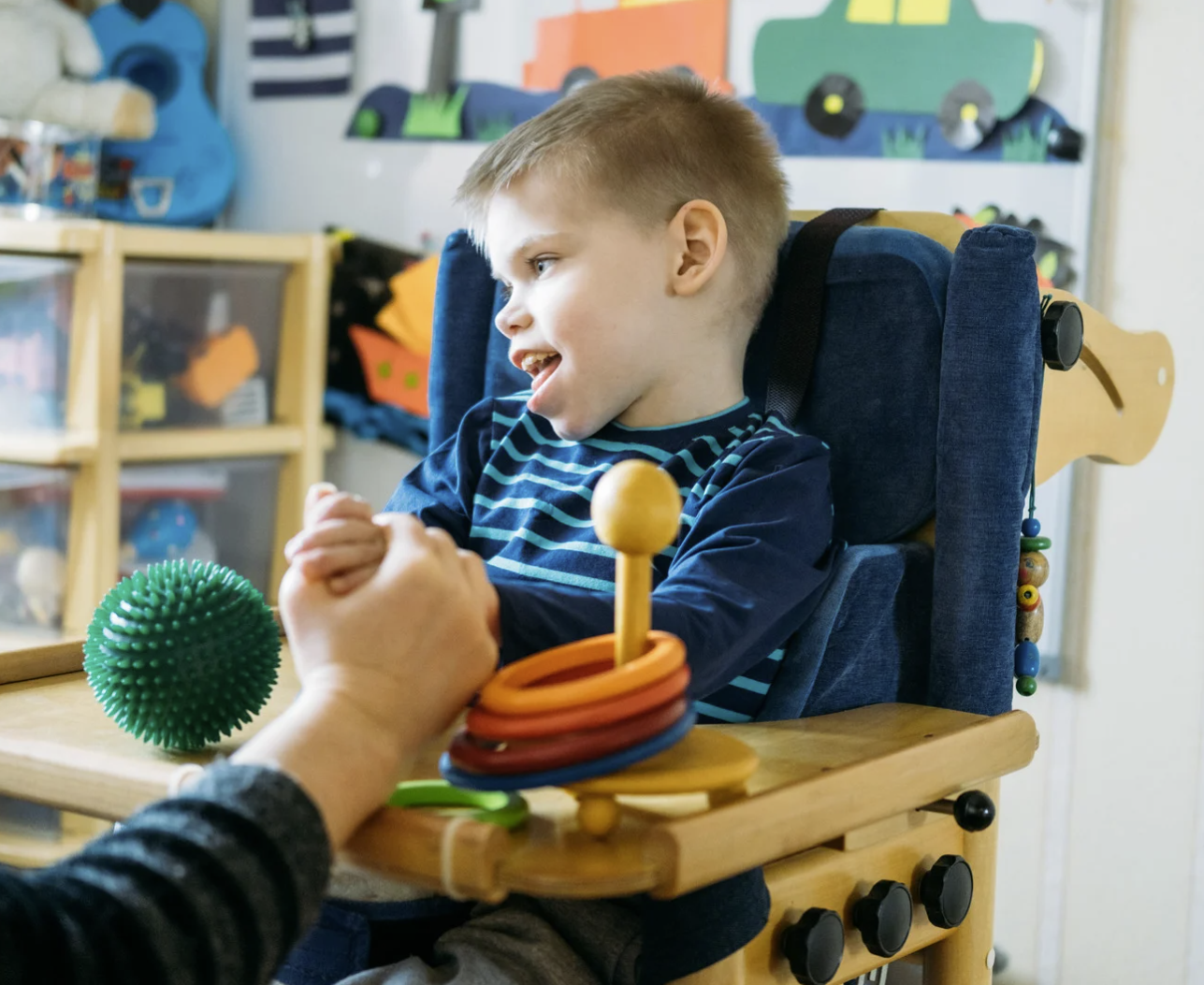
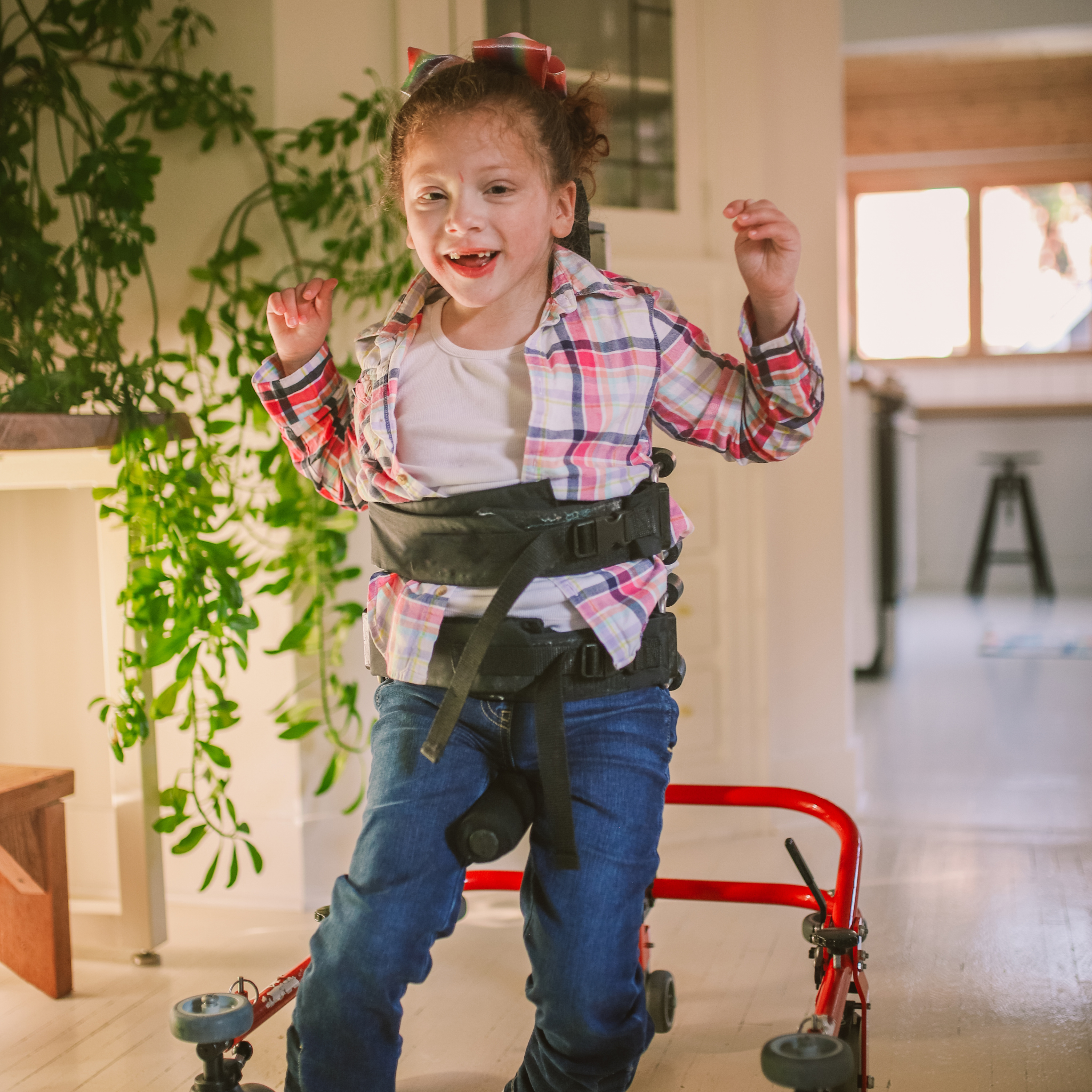
We are seeking to understand how well eye gaze methods work to measure word knowledge in this population of children with severe impairments. We are also looking at whether children are able to learn language and then demonstrate their knowledge via eye gaze.
This is the first step in a process of transforming language assessment for children with severe disabilities who have very limited motor skills. We will use information from this study to advance the development of clinical assessment tools that leverage passive eye gaze methods to evaluate language comprehension and language learning.
Participants
We are seeking children (ages 3–7 years) who:
- Have been diagnosed with cerebral palsy or another motor impairment.
- Experience severe speech and motor limitations.
- Have functional visual abilities.
- Come from an home where English is the primary language spoken.
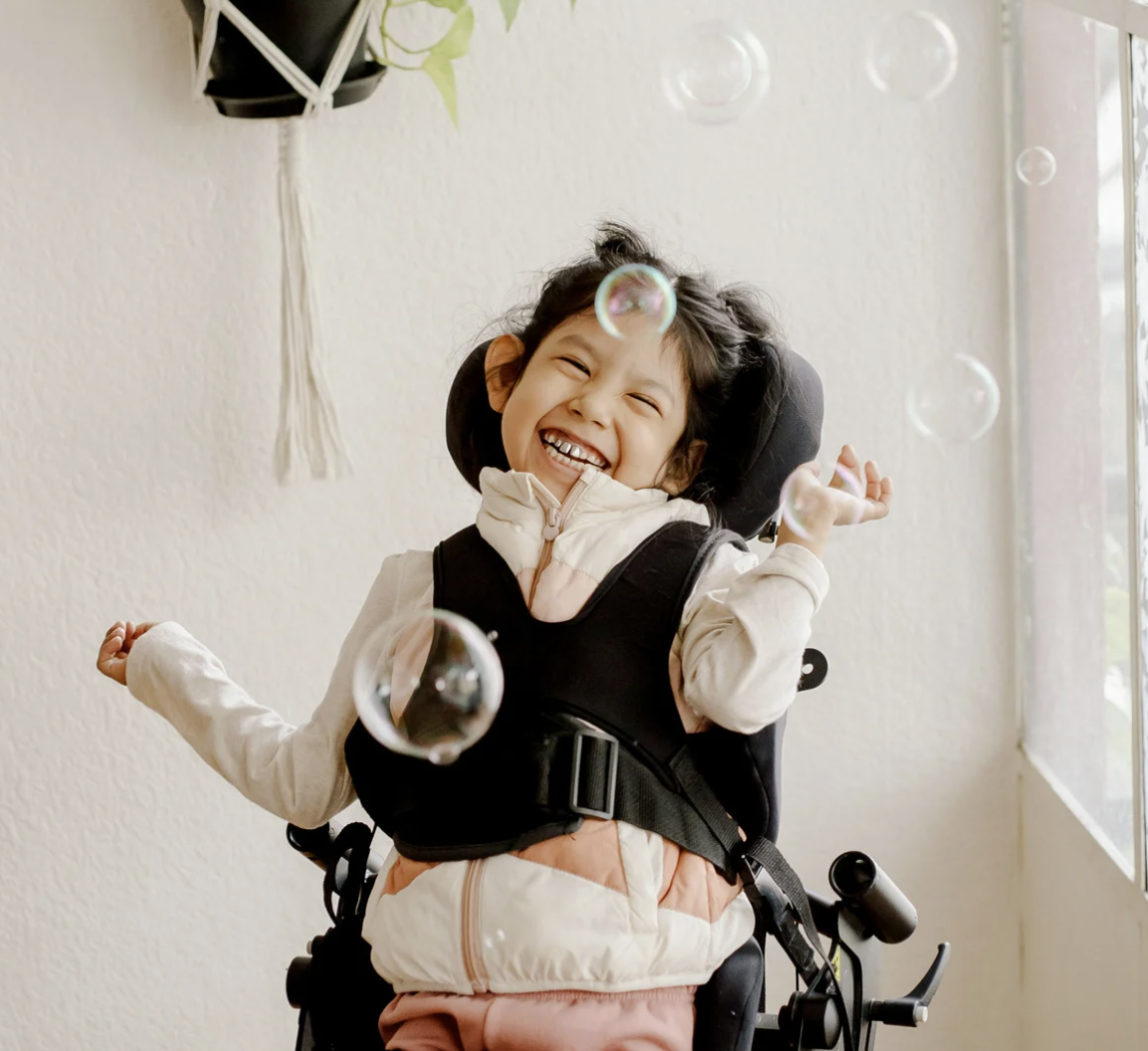
What does the study involve?
- A brief parent interview and completion of forms to determine eligibility.
- One or two in-person visits to the Waisman Center. At the visit, children will:
- Participate in speech and language assessments and activities.
- Participate in passive eye gaze tasks involving looking at videos.
- Complete a hearing screening
- Parents will complete questionnaires to help us better understand their child’s communication
- Total participation time is approximately 2-4 hours
- Honorarium will be provided

Thanks to new technology, many children who have difficulties with speech are finding other ways to express themselves! By enrolling in this study, you are helping us examine receptive language skills in children with severe motor impairment and speech impairment for the very first time. This will make an important difference for other children, families, and healthcare providers.
GLEAM is funded by the NIH (R21DC020613; Katherine Hustad and Jenny Saffran, MPI)
(FAQ) Frequently Asked Questions
Children who:
- Are 3 to 7 years old
- Have a medical diagnosis of Cerebral Palsy or other non-progressive motor impairment
- Have difficulties with their speech
- Are exposed to English in the home
You will be asked to complete the following during study participation:
- A 30-minute phone or Zoom call with a study team member to answer questions about your child’s development and current communication.
- Two 60-90 minute, in-person visits to the Waisman Center with a licensed Speech-Language Pathologist.
- A short online questionnaire about your child’s development.
Specific activities during the in-person visits include:
- Play with a caregiver
- Speech and language assessments with a certified speech language pathologist who has expertise in severe disabilities.
- Eye-gaze based looking tasks involving watching a series of short videos.
- A hearing screening
Yes! Families will receive $50 for participating in the study, and your child will get a small toy (valued $15 or less).
Yes! You will receive a brief clinical summary of your child’s performance on all standardized assessments after the session.
Yes. Our testing rooms are fully wheelchair accessible, and we routinely accommodate medical equipment and extra caregivers in our testing space.
Please email us at gleam@waisman.wisc.edu or call (608) 263-5822—we’re happy to talk through your questions.
Absolutely! We know that children communicate in many ways including AAC, gestures, or body language. We are interested in capturing every child’s unique ability profile in our study!
All information is confidential and stored securely following University of Wisconsin–Madison and federal research regulations. Only members of the study team will have access to your child’s information.
This study is approved by the UW-Madison Institutional Review Board (IRB #2018-0580).
To learn more about what this means and how research participants are protected, watch this short video.
You can also contact the study team directly:
📧 gleam@waisman.wisc.edu
📞 (608) 263-5822
Researchers

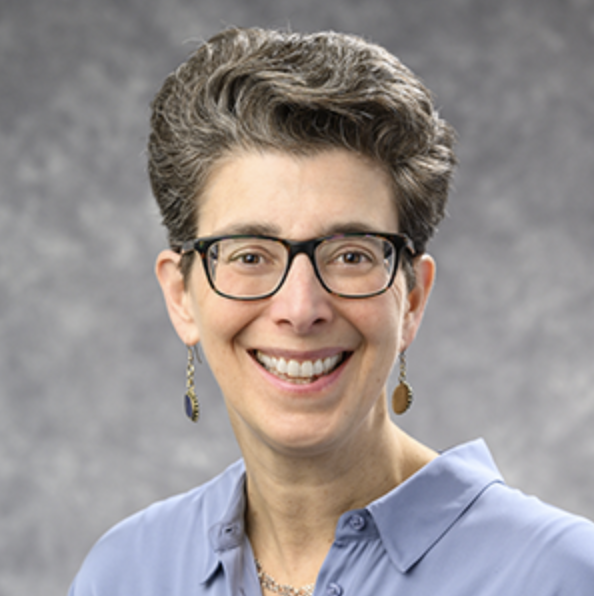
Dr. Katherine Hustad
Principal Investigator, Waisman Center & Professor, UW-Madison
Katherine Hustad is a professor in the Department of Communication Sciences and Disorders at the University of Wisconsin–Madison and director of the Wisconsin Intelligibility, Speech, and Communication (WISC) Lab. She studies communication development in children with neuromotor speech disorders, with a focus on children who have cerebral palsy.
Dr. Jenny Safran
Professor, Department of Psychology; Investigator, Waisman Center
Jenny Saffran is a professor in the Department of Psychology at the University of Wisconsin – Madison and is the director of the Infant Learning Lab. She studies word learning in typically developing babies, and in children with neurodevelopmental disabilities.
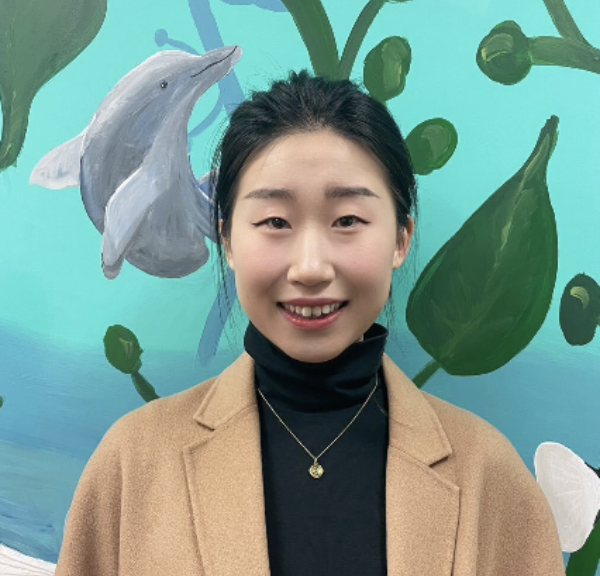
Dr. Yiran Chen
Post Doctoral Researcher
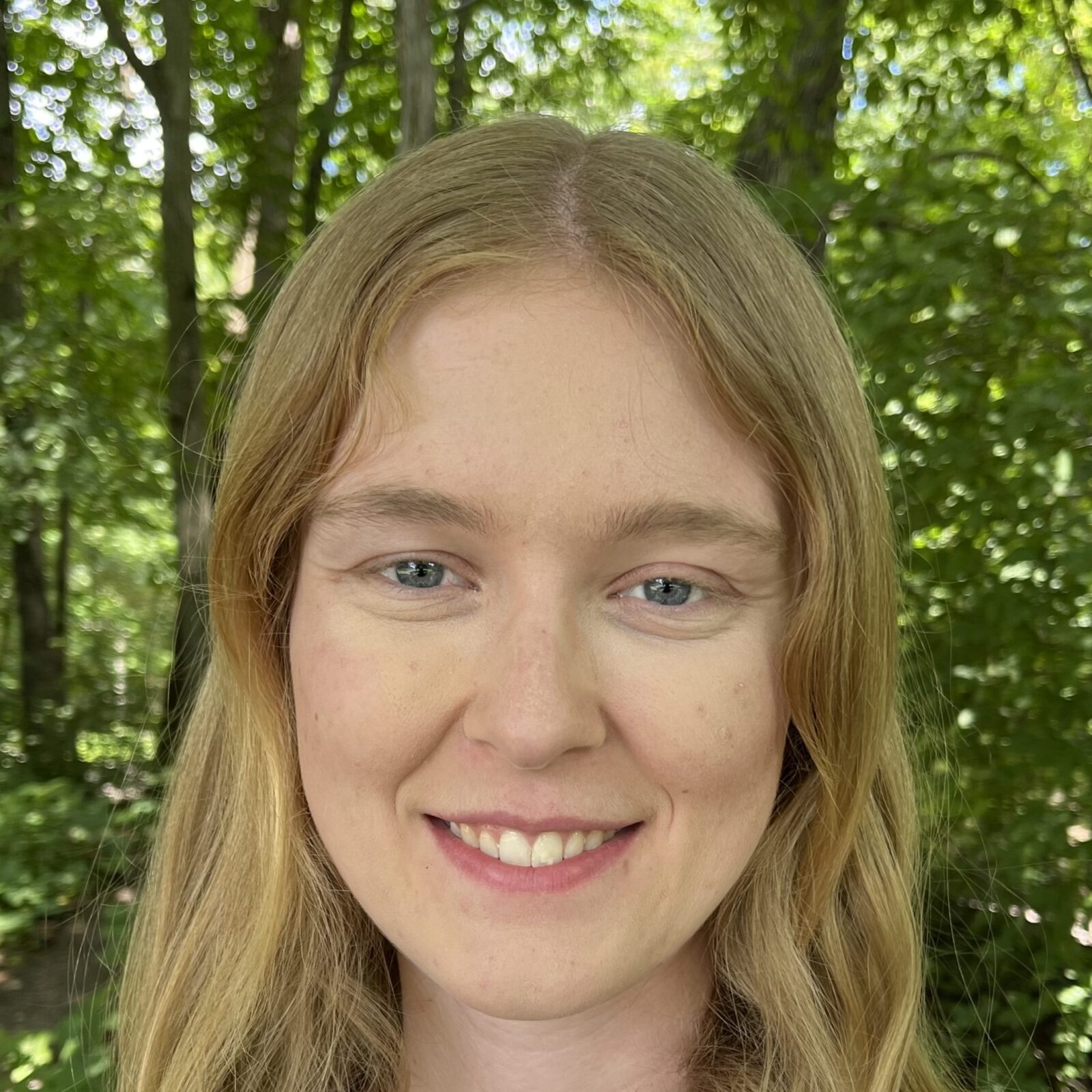
Alex White
M.A. CCC-SLP, Doctoral Student